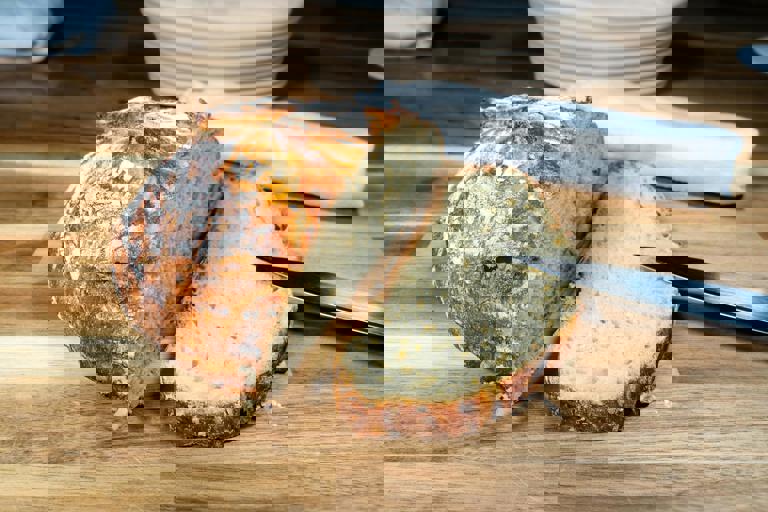
A centuries-old rye loaf recipe, lovingly preserved by a family-run bakery, has recently captured national acclaim after winning a prestigious award for its extraordinary craftsmanship. This recognition not only honours the bread's hearty character but also pays tribute to the skill and determination of artisans dedicated to traditional baking methods. The award highlights the growing appreciation for time-honoured recipes and the importance of passing down culinary heritage through generations.
The award-winning rye loaf stands out for its distinctive dense crumb, nutty flavour, and rustic, hand-shaped appearance. According to the competition judges, its remarkable taste and texture can be traced back to the use of locally sourced wholegrain rye flour, milled just a few miles from the bakery itself. One judge described the bread as "a perfect balance of earthiness and subtle sweetness, demonstrating a real depth of knowledge and care from the baker."
This success story begins with the Evans family bakery, established over 60 years ago in the heart of the British countryside. Third-generation baker Sarah Evans explains, "We’ve always believed that respecting the old ways of breadmaking produces the best results. Our rye loaf is a testament to that—each is shaped by hand and baked slowly, the way my grandfather once did." The recipe, she says, has never been written down but passed directly from parent to child by demonstration.
Artisanal expertise is at the core of the bread’s enduring appeal. Baking with rye flour poses unique challenges, such as reduced gluten content leading to denser loaves and trickier handling during shaping. "It’s a dough that really requires a gentle touch and a lot of patience," notes Sarah Evans. She believes this is where individual craftsmanship shines, as each loaf comes out slightly different yet unmistakably true to the family recipe.
The bakery’s commitment to regional grains plays a significant role in shaping the loaf's character. Local farmer Tom Harding, whose rye fields supply the bakery, points out the importance of heritage grain varieties. “Using older strains of rye not only connects us to our agricultural past, but also supports biodiversity,” says Harding. “It’s gratifying to see our grain baked into something award-winning that reflects our region’s unique terroir.”
National interest in traditional breads is on the rise, as more consumers seek authenticity and transparency in what they eat. According to the Real Bread Campaign, nearly a quarter of British households say they prefer breads made with fewer additives and more natural ingredients. The Evans bakery’s win underscores the renewed focus on slow food, local sourcing, and supporting small producers at a time when industrial baking still dominates the supermarket shelves.
For many customers, buying the rye loaf is more than just a culinary choice—it’s an act of supporting artisanal skills and local economies. Regular patron Michael Turner shared, "Every Saturday, I make a point to get their rye. It’s not about nostalgia, it’s about enjoying something genuinely good and knowing it helps maintain a tradition I’d hate to see lost." His sentiment is echoed by others who appreciate the family bakery's personal touch and unwavering commitment to quality.
The recent accolade has led to a welcome boost in demand, with orders coming in from across the UK. However, the Evans family remains adamant about maintaining their handcrafted practices, even if it means limiting production to what they can make each day. “Scaling up would mean cutting corners, and that’s not our way,” insists Sarah Evans. “Our priority is always to bake the best loaf possible, not the most.”
As the bakery looks ahead, there are plans to host workshops teaching traditional rye breadmaking to interested locals and visitors alike, ensuring these foundational skills endure for future generations. The story of the Evans family’s award-winning rye loaf serves as a reminder of the value in preserving food heritage, supporting regional farmers, and cherishing the slow, satisfying artistry of the baker’s craft.