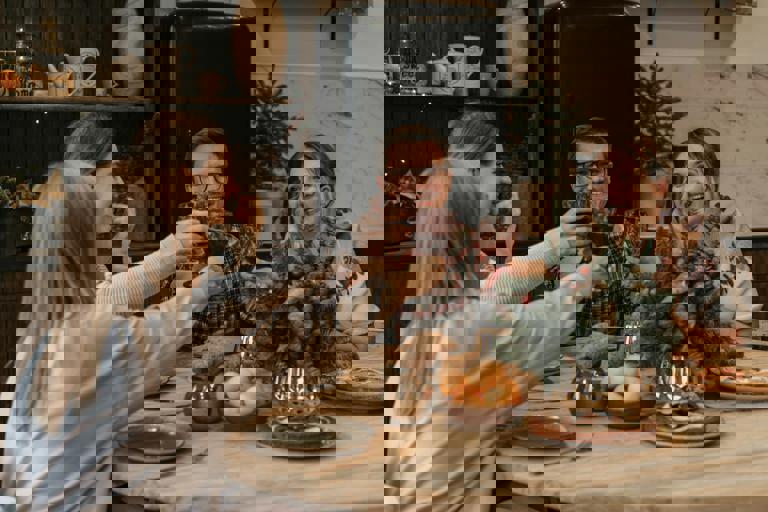
In an industrial corner rarely graced by gastronomic intrigue, a defunct factory became the unlikely site for a secret supper club’s one-night-only feast. The cavernous venue—its steel beams and exposed brickwork left raw—offered the perfect canvas for an inventive evening. Chefs and event organizers transformed the vast, echoing space into a culinary haven, complete with twinkling lights, communal tables, and the tantalizing promise of a meal unlike any other.
Guests received directions only hours before the event, heightening the sense of anticipation. Invitations came via cryptic email, instructing participants to meet at a nondescript address, where hosts welcomed them into the transformed warehouse. Once inside, diners were enveloped by sensory contrasts: the cold industrial shell dramatically softened by candlelight, floral installations, and the hum of spirited conversation. This clandestine approach set the tone for an evening prioritizing both secrecy and surprise.
The masterminds behind the supper club—two chefs with pedigrees at Michelin-starred establishments—embraced the challenge of cooking in an unconventional setting. Bringing in portable kitchen equipment, they orchestrated a seven-course tasting menu inspired by the rich history of industrial Britain and modern culinary techniques. Their vision, as chef Olivia Evans described, was to "marry the past with the present, honouring the building’s story through each carefully designed dish."
Among the courses, diners encountered inventive combinations such as smoked eel with pickled beetroot, wild mushroom risotto crowned with foraged herbs, and lamb shoulder slow-cooked in ale. Ingredients were sourced from local producers and urban foragers, emphasizing the supper club’s ethos of sustainability. "We wanted the menu to reflect both our respect for the city and a commitment to mindful sourcing," noted chef Marcus Quinn, who co-hosted the evening.
The atmosphere itself became part of the experience. Flickering candles cast dramatic shadows across concrete floors, while a jazz quartet played in a corner clad in coveralls—a clever homage to the factory’s past. The melding of music, art, and gastronomy created a dynamic environment where guests not only dined, but also mingled with strangers, sparking impromptu conversations about food, architecture, and shared discovery.
Attendees spanned food enthusiasts from diverse backgrounds—restaurateurs, artists, architects, and local residents alike. Many described the evening as a refreshing departure from the predictability of standard dining, relishing the sense of adventure. "It felt like stepping into another world for a night—one where the rules didn’t apply and every course was a revelation," remarked guest Anna Simmons, a regular at pop-up events.
For the chefs, cooking in a disused factory presented unique logistical challenges. Lacking a traditional kitchen, they devised innovative solutions, preparing some elements in advance and finishing others on-site using induction burners and makeshift prep stations. Local food safety inspectors were consulted beforehand to ensure compliance with regulations, underscoring the team’s commitment to offering both creativity and care.
In addition to the food, the event showcased local art installations and pop-up performances, further blurring the boundaries between supper club and immersive art experience. Large-scale sculptures crafted from recycled metal and interactive light projections lined the periphery, inviting diners to explore between courses. "We wanted the factory’s story to be told not just through food, but through art and interaction," said events coordinator Lila Hartwell.
As the final dessert—a dark chocolate torte with smoked salt and honeycomb—was served, guests lingered long after plates were cleared, trading contact details and stories. Many expressed hope for future events, with some already speculating about the next secret location. The supper club’s organizers hinted at plans for future pop-ups, potentially in similarly unconventional venues across the UK, but remained tight-lipped on specifics.
Experts suggest that the rise of such supper clubs speaks to a broader cultural appetite for unique dining experiences. According to a 2023 survey by Food Innovation UK, nearly 62% of British diners express keen interest in food events that offer more than just a meal. "People crave authentic, memorable experiences," notes culinary historian Dr. Rachel Turner. "The appeal is as much about place and narrative as it is about the menu."
As the night ended and guests drifted back into the city’s streets, the echoes of laughter and the aroma of herbs and spices lingered in the air. The pop-up supper club had not only repurposed a neglected industrial space, but also reminded participants that shared meals can transform even the most unexpected places into sites of magic and community. And with rumours already swirling of the next secret gathering, adventurous food lovers are sure to be watching their inboxes for the next mysterious invitation.