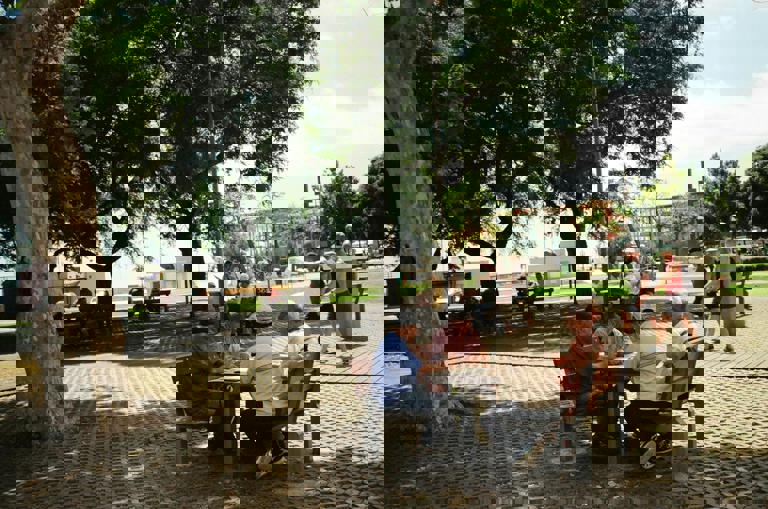
A once overlooked city square has been transformed into a lively community hub, all thanks to the installation of several sturdy public chess tables. Previously, the space struggled to attract visitors, often standing empty amid surrounding shops and offices. Now, chess enthusiasts and curious passersby alike gather at all hours, turning the area into a focal point for spontaneous social interaction and friendly competition.
The project, spearheaded by the local council with support from community groups, aimed to breathe new life into the square. According to Councillor Emily Hart, "We wanted to create a setting where everyone feels welcome. Chess is a universal game – it bridges gaps and encourages people to slow down, think, and connect." The results have exceeded initial predictions, with the square experiencing a notable increase in foot traffic.
A key aspect of the initiative’s success lies in its accessibility. The chess tables are open to all, with boards and oversized pieces available on-site, eliminating barriers to play. Young children, retirees, office workers, and even tourists have all been drawn in by the game’s magnetic appeal. "It’s amazing to see children playing with pensioners, sharing tips and laughter," said local resident James Callow.
Social cohesion has grown steadily as residents of all ages and backgrounds interact around the tables. Many regulars report forging new friendships and learning from one another in an environment that values strategic thinking and patience. Sarah Williams, a university student, attested, "Chess has helped me connect with neighbours I might never have met otherwise. There’s a real sense of belonging here now."
Local business owners have also welcomed the change, noting an uptick in sales as footfall into the square increases. Catherine Singh, who runs a neighbouring café, remarked, "More people spend time in the area now, some grab a coffee before or after a game. It’s brought vibrancy and economic benefits we hadn't anticipated." Evening tournaments and casual matches have become common, especially during warmer months.
Chess clubs and schools have quickly taken advantage of the facilities, organising regular meet-ups and teaching sessions for players of all skill levels. According to the nearby Chess Outreach Trust, participation in community events has doubled since the tables appeared. This grassroots involvement is seen as crucial for fostering both skill development and greater social connectedness.
Statistically, the introduction of public chess tables has been linked to increased use of outdoor public spaces in various UK cities. Recent surveys suggest that such amenities can boost square occupancy rates by as much as 40 percent. This project’s success reflects a wider trend towards repurposing underutilised urban areas to promote wellness, inclusivity, and active citizenship.
Though chess may seem an unlikely catalyst for community revival, experts emphasise the game’s capacity to bridge generational and cultural divides. Dr. Philip Bertram, a social studies lecturer, stated, "Chess provides common ground, encourages mentorship, and nurtures intergenerational ties. Its presence in public spaces can subtly transform isolated environments into thriving community assets."
The tables have also become an educational resource, where novices feel emboldened to approach strangers for advice or impromptu lessons. Youngster Arjun Patel, 11, shared that he has learned more from daily matches with diverse opponents than in any classroom. "People are friendly, and everyone has something to teach. I look forward to coming here after school every day," he enthused.
Looking forward, city planners are considering expanding the scheme, potentially adding more tables or introducing themed chess events. As more locals embrace these spontaneous gatherings, the square’s transformation stands as a testament to the enduring appeal of simple, communal activities. Public chess tables have not only revived social ties but have fostered a renewed sense of vibrancy, turning a forgotten corner into a celebrated community landmark.