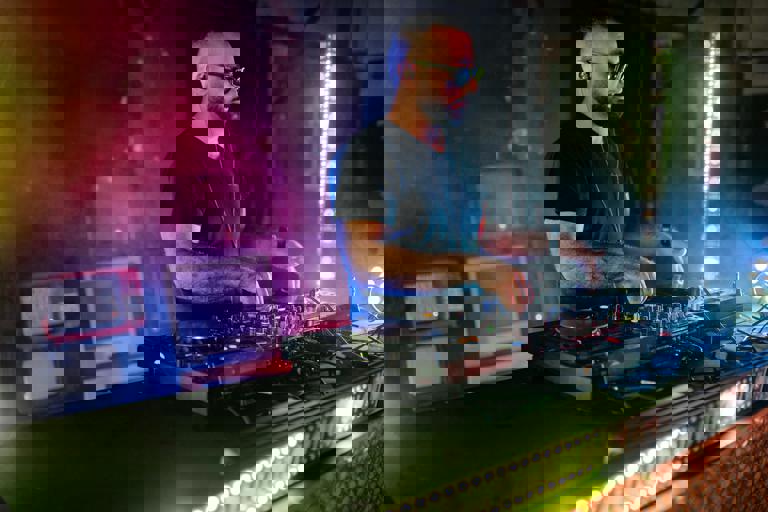
Experimental music festivals have become a dynamic force in the world of contemporary arts, and this year’s newest offering has proven no exception. Drawing crowds of both seasoned enthusiasts and curious newcomers, the festival promised a vivid plunge into the unknown, inviting attendees to journey through sonic labyrinths crafted by visionary composers and sound artists. With its emphasis on pushing boundaries and defying musical conventions, the event has captivated visitors with inventive performances and immersive installations.
The festival’s centerpiece installations combined technology and artistry, transforming traditional listening into a multi-sensory adventure. Among the highlights was a cavernous room bathed in shifting light, where carefully arranged speakers emitted layers of fractal sounds. Artists such as Mira Lin and Arjun Patel encouraged listeners to physically navigate the space, altering their experience with every step. "We want our audience to become part of the composition itself," said Patel during a pre-show interview.
Live improvisation stood at the heart of the festival’s ethos, drawing from jazz, experimental classical, electronic, and avant-garde influences. Performers often combined conventional instruments with homemade electronics or unconventional objects, producing rich, unpredictable soundscapes. One standout act featured a trio whose performance blended amplified typewriters, bowed cymbals, and processed flute tones, leaving the audience both bemused and entranced. "There’s a sense of discovery on both sides," flutist John Keats remarked.
Attendees embraced the festival’s unconventional approach, many reporting a heightened sense of engagement compared to traditional concerts. "It’s completely immersive. You don’t just listen—you participate," noted attendee Sofia Chambers, who spent an hour exploring a labyrinthine tunnel where sound changed in response to movement. Surveys conducted by the organizers showed that over 80% of polled visitors felt more connected to the music by being able to interact with the installations.
Beyond the spectacle, the festival also aimed to provoke reflection on the nature and future of music itself. Panel discussions with composers and critics delved into questions of authorship, audience agency, and the democratization of sound. Musicologist Dr. Fiona Walker observed, "Festivals like this challenge our preconceptions and remind us that music is an evolving language. We’re encouraged not merely to consume but to co-create meaning within these sonic landscapes."
Central to the festival’s mission was accessibility. Efforts were made to democratize participation, with sliding-scale tickets, workshops on building simple sound devices, and guided tours for visitors with sensory sensitivities. Family-friendly sessions attracted all generations, encouraging children to experiment with sound. Organizers reported that nearly one-third of this year’s participants were first-time visitors, a testament to the growing appeal of boundary-pushing music experiences.
The event also forged connections with the broader arts community, featuring collaborations with local theatre groups, poets, and visual artists. Multi-disciplinary performances blurred distinctions between genres, enhancing the festival’s appeal and challenging audiences to reconsider what constitutes a musical experience. As poet-in-residence Maya North commented, "Here, every sense is engaged. We’re rewriting the rules for what a festival can offer audiences."
Critics and audiences alike have lauded the festival for its forward-thinking vision and willingness to take risks. Reviews in national publications have highlighted the breadth of talent and the organizers’ dedication to inclusion and innovation. The Guardian praised the festival as “a rare opportunity for adventurous listening,” while the BBC’s cultural desk called it “an essential platform for creative experimentation in today’s sound art world.”
As the festival drew to a close, there was a palpable sense that experimental music is moving further into the cultural mainstream in Great Britain. Not merely a playground for the avant-garde, it is bridging gaps between artist and audience, tradition and innovation. If the festival’s enthusiastic turnout and diverse programming are any indication, the appetite for adventurous, immersive sound experiences shows no sign of waning, promising fresh explorations in the years ahead.