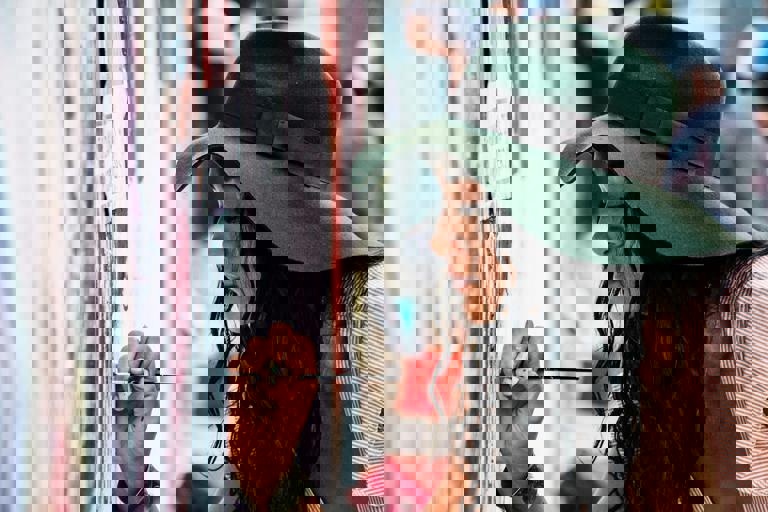
A once unremarkable underpass in the heart of the city has been radically transformed thanks to the vision and talent of a local graffiti artist. What was formerly a stretch of bleak, grey concrete is now a mesmerising public gallery, attracting passersby with bold strokes of colour and imaginative motifs. The dramatic change is reshaping not just the physical space but also the perceptions of urban art in the community.
The gigantic mural, stretching over fifty metres along the underpass walls, is the work of Jamie Lister, a well-known street artist renowned for their inventive approach to transforming urban spaces. The artwork masterfully blends surreal landscapes, dreamlike human figures, and subtle elements of social commentary. As onlookers examine the mural, they are whisked away into fantastical worlds while also encountering thoughtful nods to pressing societal issues.
Lister explained the intention behind the mural: “I wanted to create something that draws people in but also gets them thinking—about the environment, community, and the stories we share in city life.” Indeed, the mural incorporates vivid images of cityscapes bursting with flora and fauna, representing both nature’s persistence and the hope for urban regeneration. Interspersed within these scenes are subtle references to topics such as mental health and inclusivity.
The project was initiated through a collaboration between the local council and community arts organisations, which sought ways to revitalise neglected public spaces while involving residents in the process. Councillor Priya Nair, who championed the initiative, stated, “We believe art has the power to transform and connect our neighbourhoods. This mural is more than decoration—it’s a catalyst for conversation and pride.”
The process of creating the mural took nearly three weeks, drawing curious onlookers throughout its progression. Lister worked tirelessly, often late into the evening, using over 200 cans of eco-friendly spray paint and weather-resistant paints to ensure the longevity of the vibrant images. “It wasn’t just about covering walls,” Lister noted. “It was about building something for everyone, something people could visit and revisit to find new details each time.”
Local residents have embraced the new mural, expressing appreciation for how it has brightened a once-overlooked part of their daily commute. Maria Thomas, a nearby shopkeeper, said, “This underpass used to feel dull and a bit unwelcoming. Now, it’s like walking through a living piece of art every day. People pause to take pictures. It’s even brought in more customers who wander in after visiting the mural.”
Beyond aesthetics, the mural is also sparking discussions about the value and legitimacy of street art. Historically, graffiti in the UK has often been associated with vandalism, but community projects like this are shifting perceptions. Cultural historian Dr. Simon Keyes observes, “We’re seeing a new wave of appreciation for urban art as a valid and impactful cultural expression, especially when artists work in dialogue with the local community.”
Several schools in the area have organised field trips to the site, using the mural as a springboard for educational activities. Teachers cite the mural’s blend of artistry and social themes as an engaging resource for lessons in art, citizenship, and social responsibility. Student Olivia Banks remarked, “It’s inspiring to see how art can change a place and make people talk about important things we sometimes ignore.”
The success of the underpass mural has prompted interest from other districts eager to replicate its positive effects. Arts organisations report increased inquiries about launching similar projects, and the local council is considering expanding its support for public art initiatives. As Councillor Nair put it, “Art should be experienced by everyone, not hidden away in galleries. Projects like this prove that public spaces can become canvases for creativity and dialogue.”
Looking ahead, Lister hopes the mural will continue to evolve as part of the city’s living landscape, perhaps even inviting contributions from other artists or community members in the future. For now, the transformed underpass stands as a vibrant testament to the power of art to reclaim space, spark imagination, and foster a renewed sense of urban unity. The once-drab passage is now a celebration of colour, culture, and community spirit.